Grand Egyptian Museum Sets a New Benchmark for Large-Scale AV Integration
Powering one of the world’s largest immersive museum environments with PIXERA.
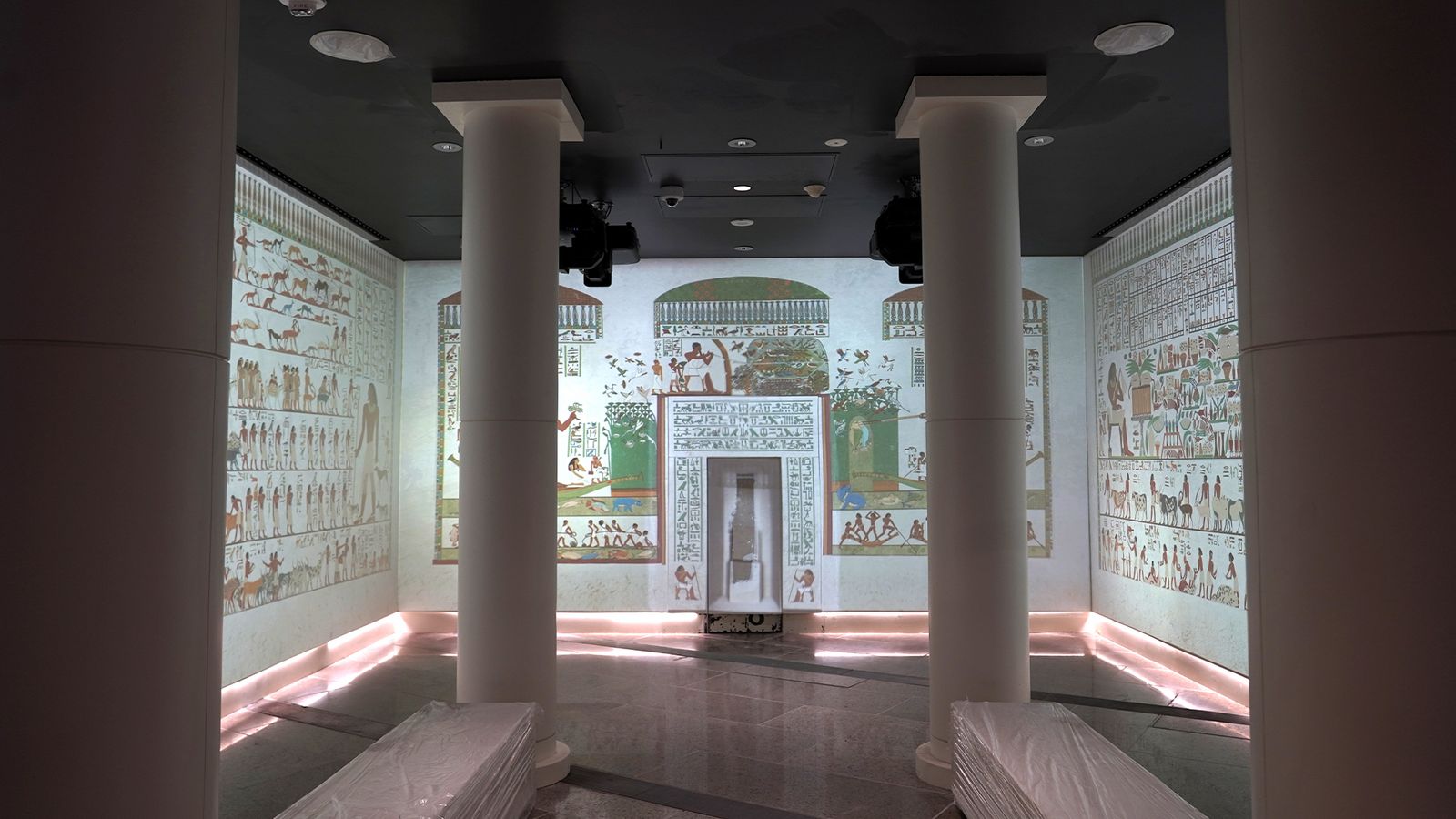
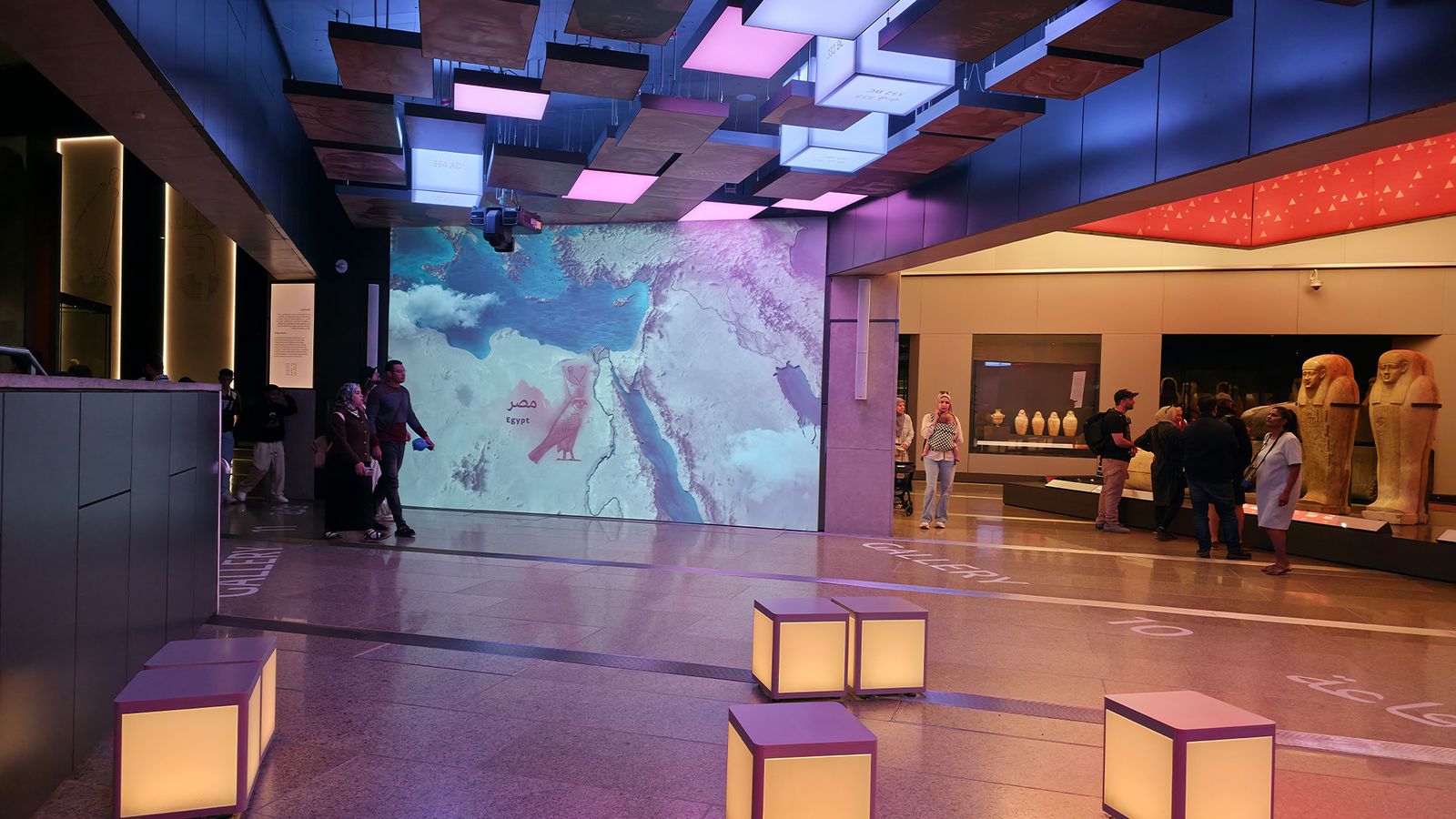
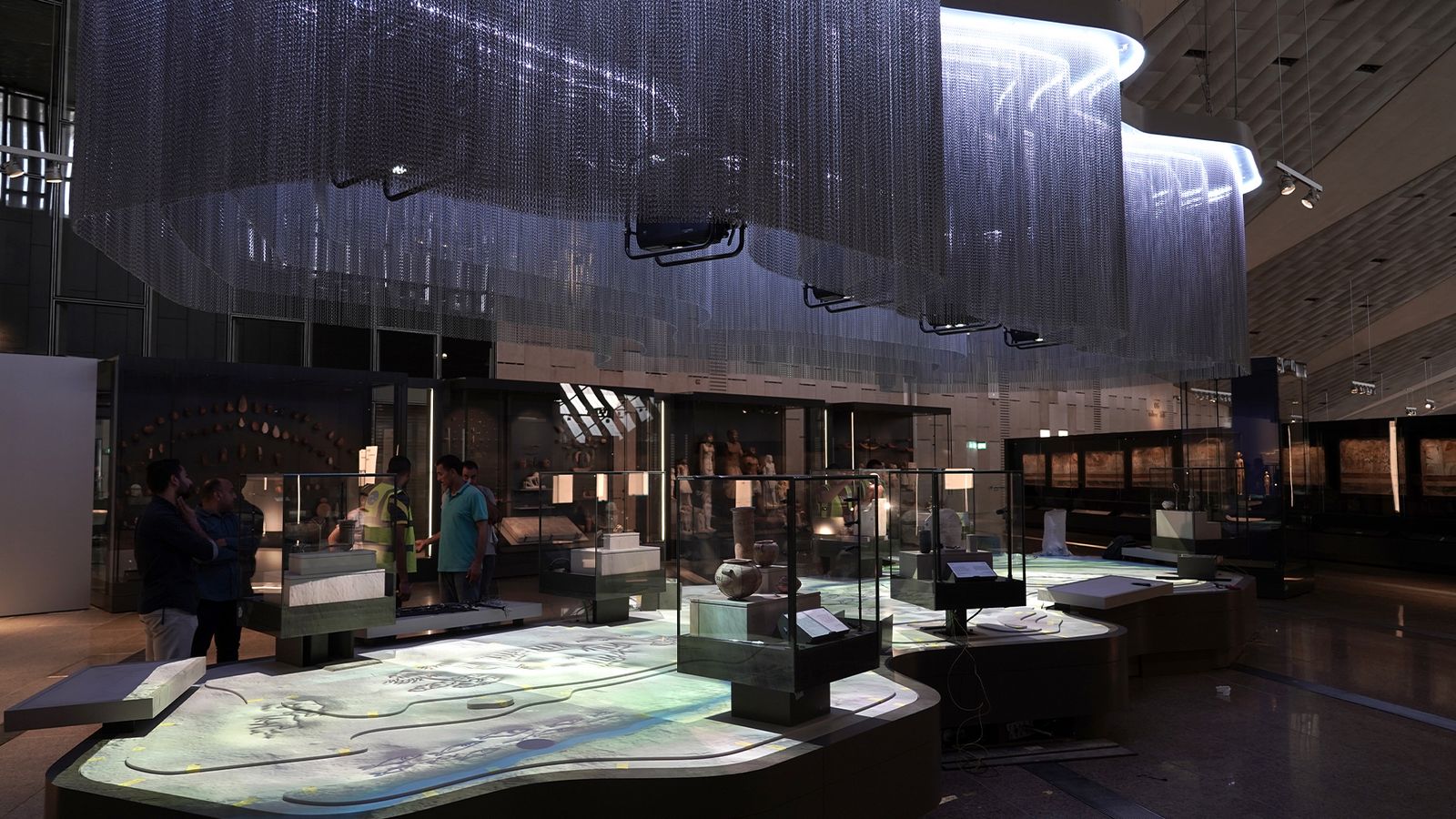
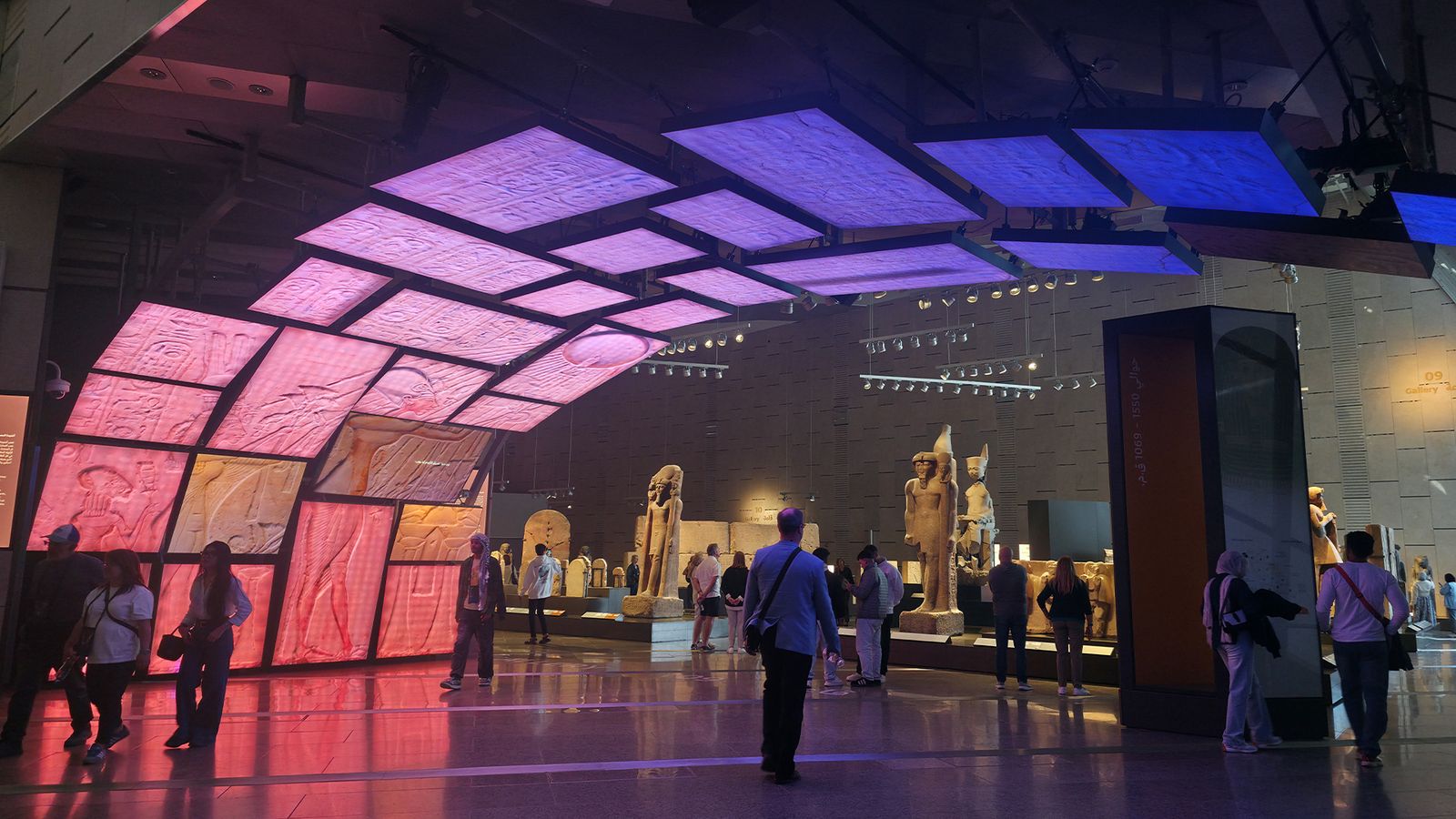
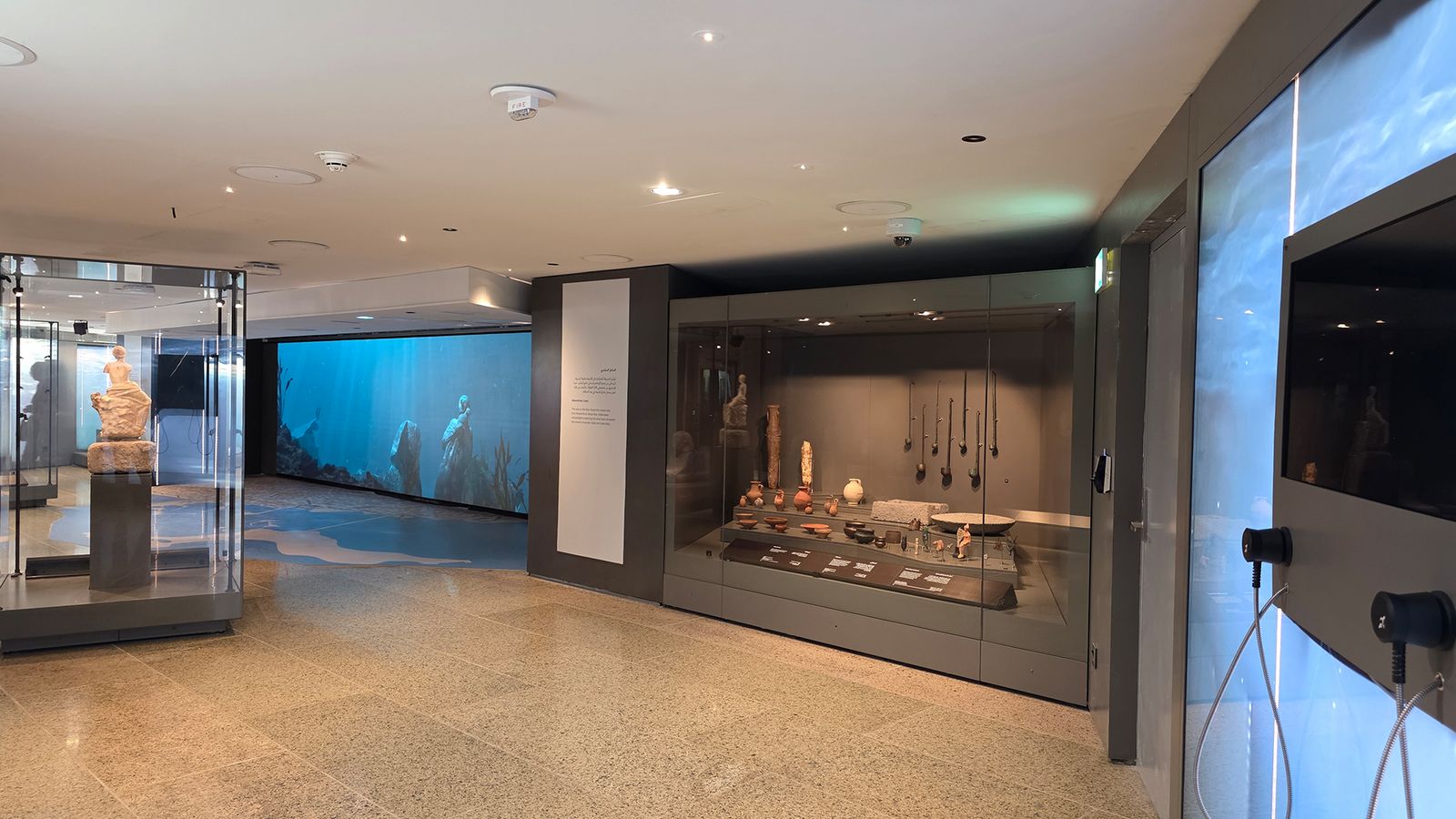
The Grand Egyptian Museum sets a new global benchmark for audiovisual integration in cultural spaces. More than 120 multimedia installations are brought together across a vast, interconnected site. Projection mapping, LED environments, spatial audio, and interactive systems all work within a unified AV-over-IP infrastructure.
At the center of this technical implementation was Quality – Egyptian Engineering Projects Co. Serving as a key technology partner, Quality Egypt was responsible for the overarching integration of the museum’s complex AV ecosystems. PIXERA was selected due to its high-performance playback capabilities and versatile hardware options, making it well-suited for large-scale, high-demand applications.
To handle the extensive media loads across multiple galleries, Quality Egypt deployed a distributed server architecture utilizing a mix of PIXERA Two QUAD, Two Dual, and PIXERA mini systems. This setup ensures uncompressed 4K playback and frame-accurate synchronization across the entire museum experience. Designed with scalability in mind, the platform allowed the team to deploy efficiently within a highly complex environment.
PIXERA integrates seamlessly with key technologies such as Medialon for show control, VIOSO for auto-calibration, and Crestron NVX for AV-over-IP distribution. The result is a tightly connected ecosystem that meets the demands of a project of this scale.
Delivering the project involved substantial logistical challenges, including the coordination of more than 100 global vendors and adherence to strict museum conservation protocols. PIXERA’s straightforward setup and reliable system behavior allowed multiple engineering teams to work in parallel under demanding on-site conditions.
“Working with PIXERA on the Grand Egyptian Museum project was a highly efficient experience,” says Essam Ahmed, System Engineer. “The system’s flexibility, stability, and seamless integration with other technologies allowed us to deliver a reliable and high-performance solution throughout the project lifecycle.”
Across the museum, PIXERA supports a wide range of applications. These include projection-mapped galleries, 3D surfaces, large-scale LED installations, and interactive exhibits. Together, they form the backbone of a cohesive storytelling approach that connects all spaces. Ease of use played a critical role during installation and on-site execution. Multiple teams were working in parallel under demanding conditions, making a straightforward setup and reliable system behavior essential.
“From a site perspective, PIXERA proved to be very dependable and user-friendly,” explains Mohamed Ali, Site Technical Support. “The setup and operation were straightforward, and the system maintained consistent performance, which greatly supported smooth on-site execution.”
As a national landmark designed to welcome millions of visitors annually, long-term reliability was paramount. The entire system architecture was engineered for continuous 24/7 mission-critical operation.
“PIXERA demonstrated excellent performance in terms of reliability and control,” adds Ahmed Yasser, Technical Support Engineer. “Its intuitive interface and robust capabilities made it easy to manage complex requirements while ensuring high-quality output across all stages of the project.”
The Grand Egyptian Museum demonstrates how large-scale AV integration can be executed with technical precision, stability, and long-term scalability. Combining Quality Egypt’s integration expertise with PIXERA’s versatile hardware and performance capabilities, the project showcases modern media server deployment at the highest level.